March 13, 2026
It is time to say no to protect your mental well-being
If you say no, it feels like an impossible task, especially in a world that often equates self-worth with how much we can give.
Yet, learning to set boundaries is one of the most empowering acts of self-care we can practise. By redefining how we say no, we can protect our mental well-being while maintaining compassion for others.
At its core, a boundary is a limit that defines what we are willing to accept in our relationships and daily lives. Healthy boundaries are essential for fostering mutual respect, trust, and understanding. When we overextend ourselves by constantly saying yes, we risk burnout, resentment, and a loss of personal identity.
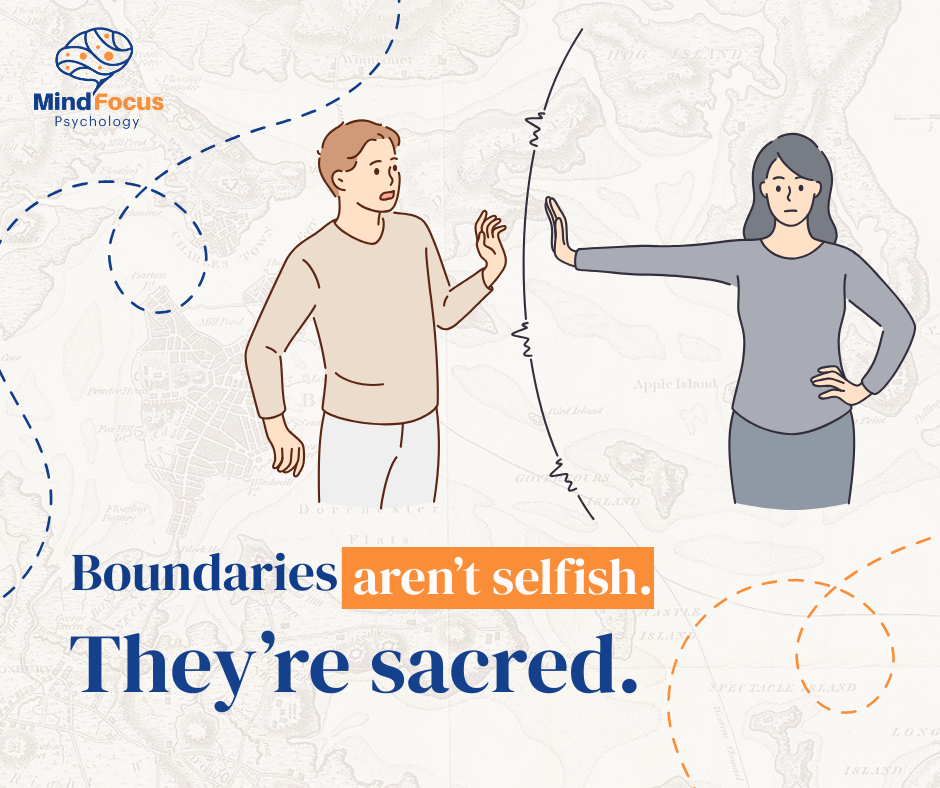
However, setting boundaries is not about shutting people out or being unkind. It’s about honouring your needs while communicating them respectfully.
For many, the challenge lies in balancing self-care with empathy, ensuring that no one comes across as being rejected but as a thoughtful response.
To reimagine boundaries, start by reflecting on your priorities and limitations. What activities, commitments, or behaviours align with your values?
Which ones drain your energy or cause stress? Gaining clarity about these aspects can help you approach boundary-setting with confidence and purpose.
When the time comes to say no, consider these strategies:
1-Be Honest and Direct: Use clear, straightforward language. For example, “I’m unable to take on this task right now, but thank you for thinking of me.” Ambiguity can lead to misunderstandings, so aim for clarity.
2-Offer Alternatives: If possible, provide a compromise or suggestion. For instance, “I can’t attend the meeting, but I’d be happy to review the minutes and offer feedback afterwards.”
3-Express Gratitude: Acknowledge the request and show appreciation. A kind tone softens the delivery, making it clear that your refusal isn’t personal.
4-Rehearse Your Response: Practice in front of a mirror or with a trusted friend. Having prepared phrases can ease anxiety and bolster confidence.
5-Stay Firm: While it’s natural to feel guilty, remember that your time and energy are finite. Standing by your boundaries is an act of self-respect.
It’s also important to understand that not everyone will respond positively to your boundaries, and that’s okay. Setting limits is about protecting your well-being, not pleasing everyone. Over time, the people who truly value you will appreciate your honesty and respect your needs.
Ultimately, learning to say no with compassion allows us to live more balanced and fulfilling lives. It creates space for what matters most—our passions, relationships, and mental health—while fostering deeper, more authentic connections with others. Remember, setting boundaries is not an act of selfishness but of self-preservation and kindness.”